
📋 Table of Contents
- Introduction to Effective Money Management Tips That Work
- Money Management Tips That Work for Low-Income Individuals
- Proven Money Management Tips That Work for Long-Term Success
- Common Mistakes to Avoid in Money Management
- Advanced Money Management Tips That Work for Experienced Investors
- Putting Money Management Tips That Work into Practice
- Pro Tip: Using the 50/30/20 Rule for Effective Money Management
- Conclusion and Final Thoughts on Money Management Tips That Work
Money Management Tips That Work for Everyone
Introduction to Effective Money Management Tips That Work
When it comes to managing your finances, it’s easy to feel overwhelmed – but with the right money management tips that work, you’ll be on your way to financial freedom in no time. I’d argue that effective money management is a skill that can be learned by anyone, regardless of their income level or financial background. In my view, the key to successful money management is finding a system that works for you and sticking to it. According to the Federal Reserve, nearly 40% of Americans don’t have enough savings to cover a $400 emergency expense – but with the right strategies, you can avoid becoming a part of this statistic.
Key Takeaways:
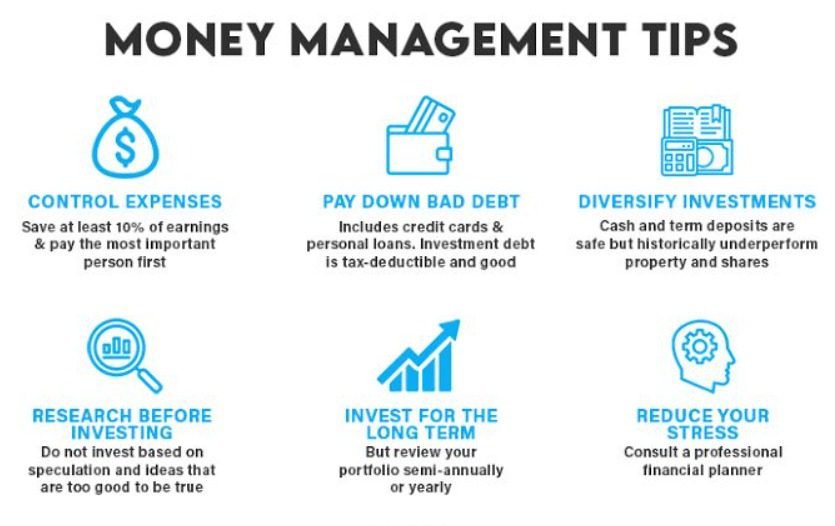
- Create a personalized budget that accounts for all of your expenses
- Prioritize needs over wants and avoid debt whenever possible
- Build an emergency fund to cover at least 3-6 months of living expenses
- Invest in a diversified portfolio to grow your wealth over time
Understanding the Importance of Money Management for Millennials
As a millennial, you’re likely no stranger to the challenges of managing your finances – from student loan debt to navigating the gig economy. But with the right money management tips that work, you can take control of your financial future and start building wealth. In my opinion, it’s essential to start early and be consistent – even small steps can add up over time. For example, let’s say you start saving just $100 per month at age 25 – by the time you’re 35, you’ll have saved over $12,000, and that’s not even accounting for interest.
Money Management Tips That Work for Low-Income Individuals
How to Manage Money on a Low Income: Budgeting Strategies
Managing your finances on a low income can be tough – but there are still ways to make the most of your money. One strategy is to use the 50/30/20 rule, where 50% of your income goes towards necessary expenses like rent and utilities, 30% towards discretionary spending, and 20% towards savings and debt repayment. Let me break this down the way I’d explain it to a friend: if you make $2,000 per month, that’s $1,000 for necessary expenses, $600 for discretionary spending, and $400 for savings and debt repayment.
Zero-Based Budgeting Explained: A Step-by-Step Guide
Another approach is zero-based budgeting, where you start from scratch and allocate every single dollar towards a specific expense or savings goal. This can be a bit more time-consuming, but it’s a great way to ensure that you’re making the most of your money. For example, you might start by listing all of your necessary expenses, like rent and utilities, and then allocate funds towards each category. From there, you can move on to discretionary spending and savings goals – it’s all about prioritizing what’s most important to you.
Proven Money Management Tips That Work for Long-Term Success
How to Manage Money Effectively: Prioritizing Needs Over Wants
When it comes to managing your finances, it’s essential to prioritize needs over wants – and that means making some tough decisions about how you spend your money. In my view, it’s all about being honest with yourself about what you can really afford. For example, do you really need that daily latte, or could you make do with a cheaper alternative? By making a few small changes to your daily habits, you can free up more money in your budget for savings and debt repayment.
Avoiding Debt and Building Credit
Avoiding debt is another crucial aspect of effective money management – and that means being careful about credit cards and loans. According to a report by NerdWallet, the average American has over $38,000 in personal debt, excluding mortgages – and that can be a major obstacle to financial freedom. By avoiding debt whenever possible and building a strong credit score, you can save money on interest and fees over the long term. For example, let’s say you have a credit card with a $2,000 balance and an interest rate of 18% – if you pay just the minimum payment each month, it’ll take you over 10 years to pay off the balance, and you’ll end up paying over $4,000 in interest alone.
Common Mistakes to Avoid in Money Management
Overlooking Emergency Funds and Retirement Savings
One of the most common mistakes people make when it comes to money management is overlooking emergency funds and retirement savings. In my opinion, it’s essential to prioritize these goals, even if it means making some sacrifices in the short term. For example, you might need to cut back on discretionary spending or take on a side hustle to boost your income – but the payoff is well worth it. According to a report by the Employee Benefit Research Institute, over 40% of workers are not saving enough for retirement – and that can be a major problem down the line.
Not Accounting for Inflation and Market Fluctuations
Another mistake is not accounting for inflation and market fluctuations – and that can be a major risk to your financial stability. In my view, it’s essential to stay informed about economic trends and adjust your strategy accordingly. For example, if you’re investing in the stock market, you might need to rebalance your portfolio periodically to ensure that you’re not taking on too much risk. According to a report by the Bureau of Labor Statistics, the inflation rate has averaged around 2% per year over the past decade – and that can add up over time.
Advanced Money Management Tips That Work for Experienced Investors
Diversifying Investments and Minimizing Risk
For experienced investors, diversifying investments and minimizing risk is key to long-term success. In my opinion, it’s all about spreading your money across different asset classes, such as stocks, bonds, and real estate. By doing so, you can reduce your exposure to any one particular market or sector – and that can help you weather economic downturns. For example, let’s say you have a portfolio that’s heavily invested in tech stocks – if the tech sector experiences a downturn, your portfolio could take a hit. But if you diversify your investments, you can minimize your losses and potentially even profit from other areas of the market.
Staying Informed About Market Trends and Economic Changes
Staying informed about market trends and economic changes is also crucial for experienced investors. In my view, it’s essential to stay up-to-date on the latest news and research – and that means reading financial news, attending seminars, and consulting with experts. By doing so, you can make more informed decisions about your investments and adjust your strategy accordingly. For example, let’s say you’re invested in the stock market and you hear that a major economic indicator is about to be released – by staying informed, you can anticipate how the market might react and adjust your portfolio accordingly.
Putting Money Management Tips That Work into Practice
Creating a Personalized Budget and Tracking Expenses
So how do you put these money management tips that work into practice? In my opinion, it all starts with creating a personalized budget and tracking your expenses. By doing so, you can get a clear picture of where your money is going and make informed decisions about how to allocate your resources. For example, you might use a budgeting app or spreadsheet to track your spending – or you might simply use a notebook and pen. The key is to find a system that works for you and stick to it.
Automating Savings and Investments
Automating your savings and investments is another key aspect of effective money management. In my view, it’s essential to set up automatic transfers from your checking account to your savings or investment accounts – and that way, you can ensure that you’re saving and investing regularly, without having to think about it. For example, you might set up a monthly transfer of $500 to your savings account – or you might set up a weekly transfer of $100 to your investment account. By automating your savings and investments, you can make progress towards your financial goals without having to constantly monitor your accounts.
Pro Tip: Using the 50/30/20 Rule for Effective Money Management
Using the 50/30/20 rule is a simple and effective way to manage your finances. By allocating 50% of your income towards necessary expenses, 30% towards discretionary spending, and 20% towards savings and debt repayment, you can ensure that you’re making progress towards your financial goals.
Allocating 50% of Income Towards Necessary Expenses
So how do you allocate 50% of your income towards necessary expenses? In my opinion, it’s all about prioritizing what’s most important – and that means focusing on essential expenses like rent, utilities, and groceries. For example, let’s say you make $4,000 per month – that’s $2,000 towards necessary expenses. You might allocate $1,500 towards rent, $300 towards utilities, and $200 towards groceries – and that leaves you with $1,000 for discretionary spending and savings.
Using 30% for Discretionary Spending and 20% for Savings and Debt Repayment
Using 30% for discretionary spending and 20% for savings and debt repayment is also crucial. In my view, it’s all about finding a balance between enjoying your life today and planning for the future. For example, you might allocate 30% of your income towards discretionary spending, such as dining out or entertainment – and that leaves you with 20% for savings and debt repayment. You might use this money to pay off high-interest debt, build an emergency fund, or invest in a retirement account.
Conclusion and Final Thoughts on Money Management Tips That Work
Bottom Line: Taking Control of Your Finances with Proven Money Management Tips That Work
In conclusion, effective money management is a skill that can be learned by anyone – and it’s all about finding a system that works for you and sticking to it. By following these money management tips that work, you can take control of your finances and start building wealth over time. Remember, it’s all about prioritizing what’s most important, avoiding debt, and building a strong financial foundation – and with the right strategies, you can achieve financial freedom and live the life you want. So don’t be afraid to crunch the numbers and take the first step towards a brighter financial future – your bottom dollar will thank you.
According to a report by the Financial Industry Regulatory Authority (FINRA), over 60% of Americans are not saving enough for retirement – but by using these money management tips that work, you can avoid becoming a part of this statistic and start building a secure financial future.